Products
Microbiological water treatment
Intelligent microbial consortia that solve problems where chemical and mechanical methods fall short — delivered in partnership with MBS.
Eden Aquatech partners with MBS to deliver intelligent microbial consortia that solve problems where traditional chemical and mechanical methods fall short. Rather than treating symptoms, we view the aquatic environment as a biological system out of balance — and restore its own "biological motor" through biological augmentation.
What is BioS?
BioS is an advanced microbial consortium designed to manage ammonium, organic matter (BOD), hydrogen sulfide (H₂S) and heavy metals. It functions as an active biological engine, enabling purification levels that traditional methods cannot achieve.
Specialized solution areas
Municipal infrastructure and sewer networks. Our bacteria alter the sulfur cycle, actively preventing odor and toxic H₂S — and with it the sulfuric acid that corrodes concrete pipes and metal components. Specialized Bacillus strains break down fats, proteins and carbohydrates, keeping pipes clean, improving flow and reducing pump wear.
Industrial treatment and landfill management. Bacteria such as Geobacter lovleyi and Desulfovibrio precipitate metals like lead, copper and mercury into stable, insoluble form. The consortium breaks down aromatic compounds (BTEX) in leachate, and by reducing BOD/COD and nutrients at the source, it lowers both the load on the municipal network and your discharge fees.
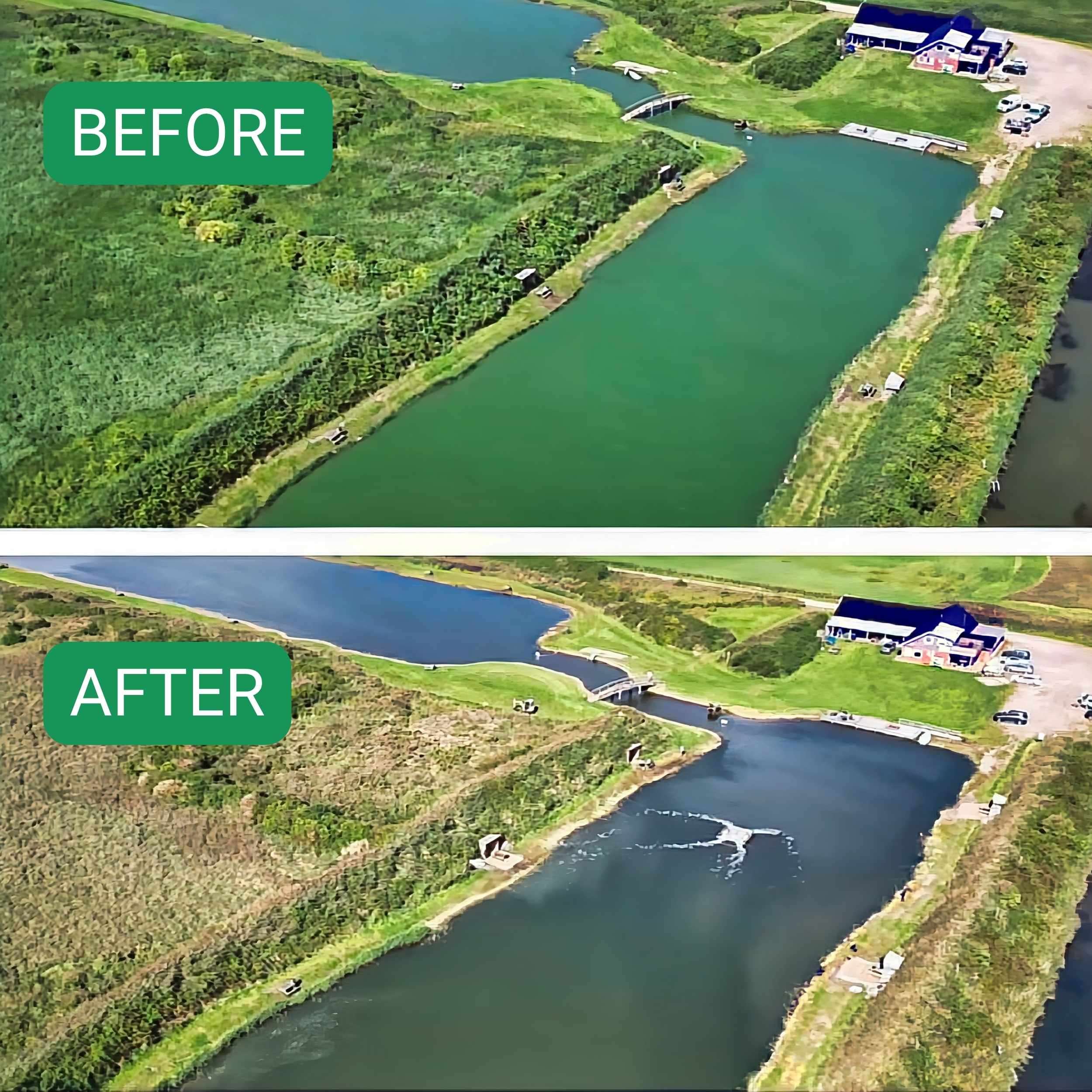
Lake restoration and nature conservation. We break down organic bottom sludge, stabilize the nitrogen and phosphorus cycles that drive algal blooms, and stabilize redox conditions in the sediment — preventing bound phosphorus from leaching back into the water column. In demanding systems we have documented an increase in Secchi depth from 0 to 80 cm within a single season.
Standard biology vs. BioS bioaugmentation
Most biological products on the market combine Bacillus species and enzymes to accelerate degradation of organic sludge — effective in well-oxygenated systems, but with no targeted effect on ammonium and limited effect in oxygen-depleted sediments.
Choose standard biology if your issue is limited to organic sludge in a well-oxygenated system. Choose BioS bioaugmentation if you face internal phosphorus loading, accumulation of ammonium or H₂S, or reduced, oxygen-poor sediments — the cases where only addressing the root cause produces lasting results.
Biology vs. chemistry — the economics
Chemical treatment (sodium hydroxide, ferric chloride) works fast but requires continuous dosing, hazardous handling, and produces sludge that must be transported and landfilled. The biological method requires an establishment phase for the biofilm — but it is the only method that addresses the root cause, resulting in lower maintenance costs and more sustainable operation over time.
Advantages
Biofilm establishment
The bacteria form a stable, protected biofilm that withstands variations in incoming water quality and shocks to the system.
Targeted degradation
Strains work in synergy — some break down complex organic chains (BioS-1), others specialize in nitrification (BioS-3).
Metabolic acceleration
The process is optimized so degradation happens significantly faster than in an unregulated natural system.
Used within

Lake Restoration
Eutrophic lakes rarely recover on their own. Together with the Clean Water Alliance, we restore the underlying biological processes — without harmful chemicals.
Read more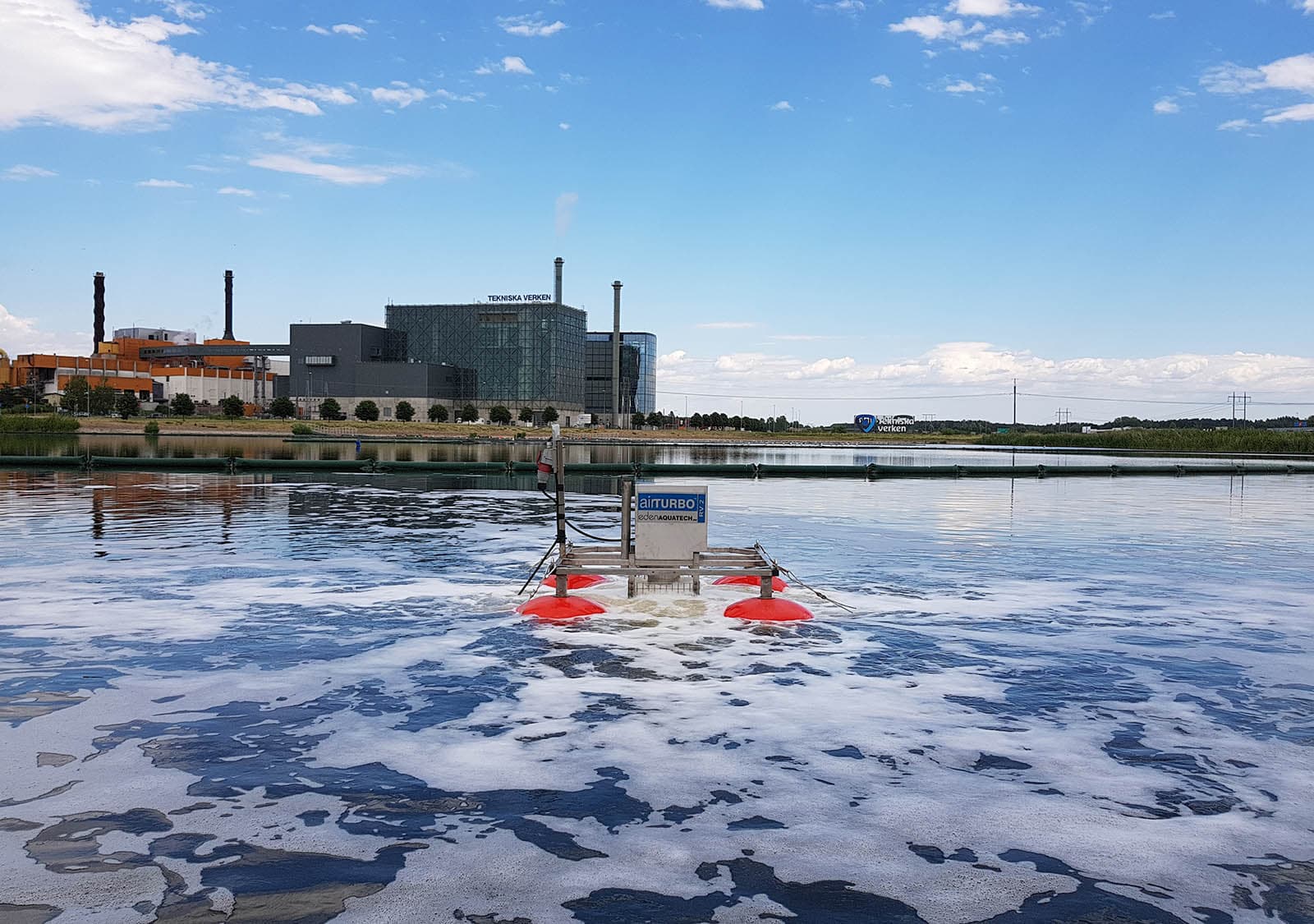
Leachate Water
Water percolating through landfills dissolves heavy metals, nutrients, organics and PFAS. Our systems treat leachate on site — with pollutant reductions of up to 99.5%.
Read more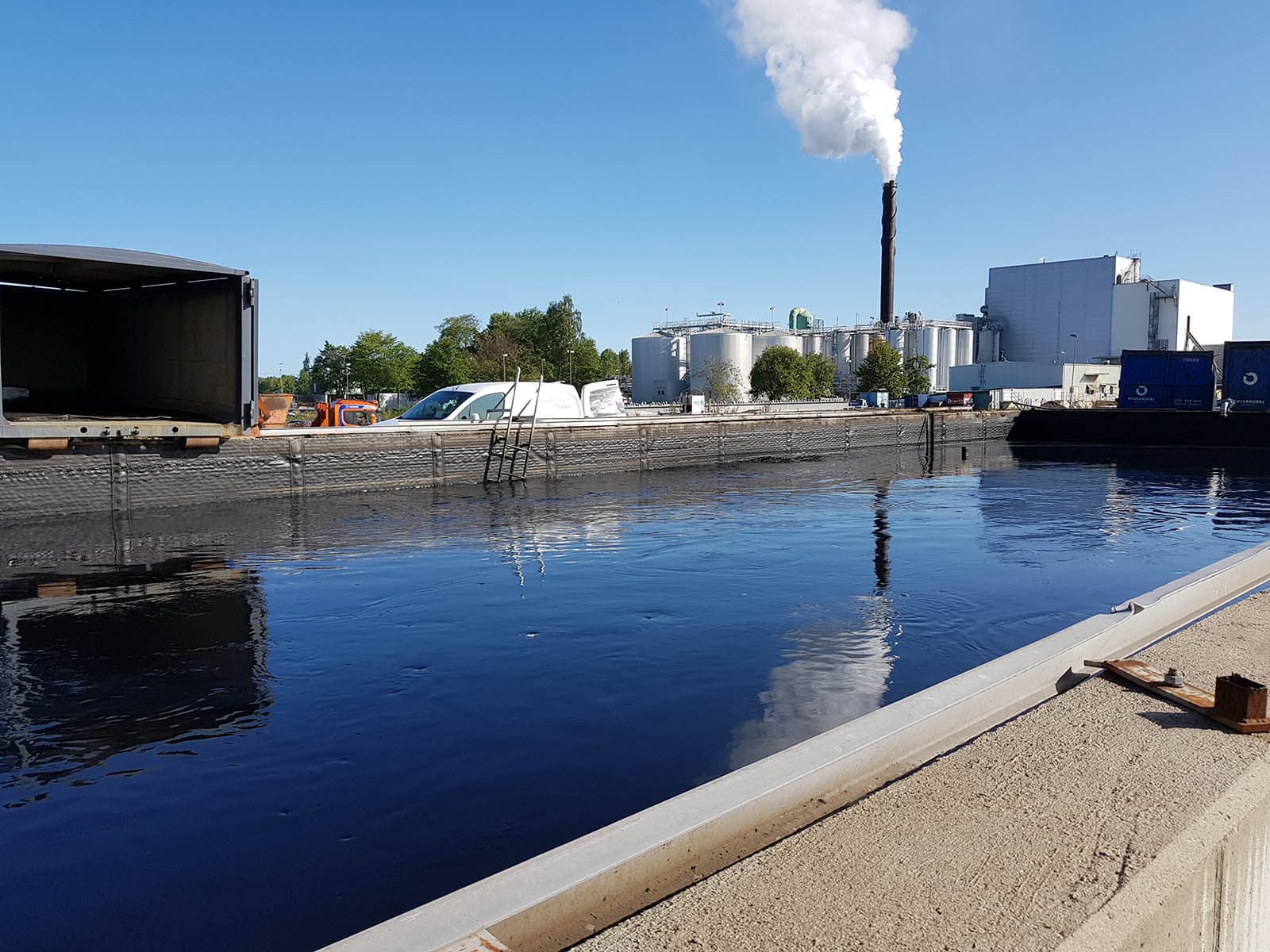
Process Water
Industrial process water can contain chemicals, metals and other pollutants. We purify it for safe discharge — or bring it back into your process.
Read more
How we work
From the first water sample to the service agreement — a proven seven-step process ensures your system delivers the agreed results.
See our customer processNeed advice?
Describe your water challenge and one of our engineers will come back with an honest, no-obligation assessment.
Contact us